
What Is Transfection?
Transfection is the process of introducing nucleic acids—such as DNA, RNA, or gene-editing complexes—into living cells in order to study or manipulate gene expression. This technique is widely used in molecular and cellular biology to explore gene function, regulate protein production, or introduce genetic modifications for research and therapeutic development.
What Is Brain Transfection?
Brain transfection refers specifically to the delivery of genetic material into brain-related cells, including neurons, astrocytes, microglia, and brain endothelial cells. These can be cultured in vitro or targeted in vivo within brain tissue. The goal of brain transfection is to modify gene expression within these highly specialized and often non-dividing cells to study neurological function, disease mechanisms, and potential treatments.
Why Brain Transfection Requires Specialized Tools
Unlike rapidly dividing cells in other tissues, brain cells are notoriously difficult to transfect. Neurons, for example, are post-mitotic and have complex, polarized structures, while glial cells and endothelial cells exhibit distinct membrane properties and sensitivity to chemical reagents. General-purpose transfection reagents typically result in low efficiency or high toxicity when used with brain cells.
Brain transfection kits are therefore formulated to match the unique physiological traits of each brain cell type. These reagents are optimized to deliver genetic material safely and effectively, supporting high expression with minimal disruption to cell viability or function.
Applications of Brain Transfection Kits
Brain transfection is essential for a wide range of experimental applications. These include studying gene function in synaptic plasticity, modeling neurological diseases such as Alzheimer’s or epilepsy, investigating oncogenes in brain tumors, and analyzing signaling pathways involved in blood–brain barrier regulation.
These kits are suitable for both in vitro experiments using cultured brain cell lines—such as neuroblastoma cells or cortical neurons—and in vivo studies involving direct delivery to brain tissue in animal models. The ability to transiently or stably express genes in neural cells supports both basic neuroscience and translational research aimed at developing gene-based therapies.
Brain In Vivo Transfection Kit

The Brain In Vivo Transfection Kit offered by Altogen Biosystems is a specialized reagent system designed for the non-viral delivery of nucleic acids and small proteins into brain tissue. By enabling systemic administration via intravenous tail vein injection, this kit allows researchers to bypass the need for stereotaxic surgery or direct brain injections. It operates by transiently disrupting the blood-brain barrier, thereby facilitating the entry of therapeutic or experimental payloads into central nervous system tissues. Altogen’s proprietary nanoparticle and liposome-based formulation supports delivery of plasmid DNA, mRNA, siRNA, and small protein molecules to multiple brain cell types including neurons, astrocytes, microglia, and oligodendrocytes.
This transfection system is particularly useful for in vivo applications in rodent models of brain diseases such as glioblastoma, neuroinflammation, neurodegeneration, and gene regulation studies in the hippocampus or cortex. Because the delivery occurs via tail vein injection, the method reduces tissue damage and avoids the need for complex surgical setups, making it ideal for high-throughput CNS-targeted gene delivery studies.
Non-Viral Brain Gene Delivery Methods
Brain-targeted delivery of genetic material in vivo remains a central challenge in neuroscience and gene therapy research. Traditional approaches often rely on viral vectors, such as adeno-associated viruses or lentiviruses, which can elicit immune responses and require extensive safety validations. In contrast, non-viral systems such as nanoparticle-mediated delivery offer a safer, more flexible alternative with fewer biosafety concerns and greater capacity for cargo customization.
Several commercial and academic platforms now provide non-viral in vivo gene delivery systems that target the brain through various mechanisms. These include polymeric nanoparticles, cationic lipids, cell-penetrating peptides, and magnetically guided nanocarriers. Altogen’s Brain In Vivo Transfection Kit fits within this growing class of non-viral tools, combining simplicity of administration with broad tissue distribution and low toxicity.
Systemic Delivery to the Brain: Crossing the Blood-Brain Barrier
One of the most critical hurdles in brain-targeted transfection is the blood-brain barrier, a highly selective membrane that prevents most systemically administered molecules from entering the central nervous system. The Altogen kit addresses this challenge by leveraging a formulation that transiently increases permeability of the BBB, allowing therapeutic nucleic acids to reach neural tissue in a time-controlled manner. This method avoids invasive direct injection into the brain parenchyma, reducing the likelihood of inflammation or mechanical injury.
The ability to systemically administer gene delivery agents while still achieving high transfection efficiency in the brain expands the versatility of preclinical studies. Researchers working with neurodegenerative disease models, glioblastoma xenografts, or CNS-targeted gene silencing applications can use this technology to investigate therapeutic hypotheses without the need for specialized neurosurgical equipment.
Applications in Neurological Disease Models
The Brain In Vivo Transfection Kit is suitable for a range of experimental objectives in neuroscience. In models of glioblastoma, it enables delivery of gene-silencing constructs such as siRNA or shRNA to intracranial tumors. In neurodevelopmental and neurodegenerative studies, it can be used to introduce plasmid DNA or mRNA encoding fluorescent reporters, gene-editing systems, or overexpression constructs into specific brain regions. Additionally, it is compatible with CRISPR-Cas9 components, allowing researchers to perform genome editing in brain cells in live animal models.
Beyond gene therapy research, the system also supports studies of neural circuit modulation, neuroplasticity, and brain immunology. When combined with other delivery systems such as stereotaxic injection or electroporation, it can form part of a multimodal CNS research strategy.
Advantages Over Alternative Transfection Methods
Unlike stereotaxic injections, which require precise surgical targeting and specialized equipment, the Altogen Brain In Vivo Transfection Kit enables broad CNS access with a simple intravenous injection. This reduces operator variability and improves reproducibility in large animal studies. Compared to electroporation or magnetofection, it does not require external devices or electric pulses, making it better suited for routine preclinical workflows.
Importantly, the reagent shows low cytotoxicity and is validated for use in a wide range of neural cell types and brain regions. Because the kit supports delivery of diverse molecular payloads including plasmid DNA, double-stranded RNA, and protein complexes, it can be used for both gene expression and gene knockdown studies.
Supported Cargo and Cell Types
Altogen’s in vivo transfection reagent supports delivery of plasmid DNA for gene overexpression, mRNA for rapid transient expression, and siRNA for gene silencing. It is also compatible with small proteins, which can be used for intracellular labeling, therapeutic modulation, or functional studies. Targeted brain cells include neurons, astrocytes, microglia, oligodendrocytes, and glioma cells.
Validated animal models include mouse and rat brains, with demonstrated efficiency in both normal tissue and xenograft tumor models. This makes it ideal for oncology, toxicology, neurodevelopment, and gene editing research.
Read More Information: Brain In Vivo Transfection Kit
Request Quote here: https://altogen.com/request-quote/
HCN-1A Transfection Reagent (Brain Neuronal Cells)
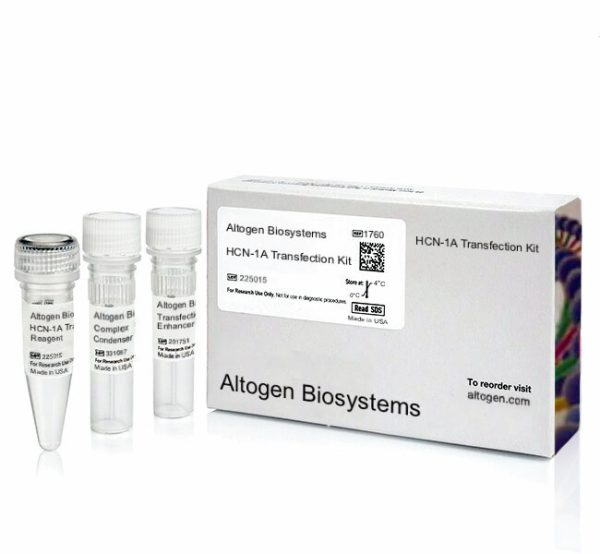
The HCN-1A Transfection Reagent is a specialized non-viral gene delivery system designed for use with the HCN-1A human cortical neuronal cell line. These cells serve as a widely used in vitro model of human brain cortical neurons and are valuable in studies of synaptic activity, excitotoxicity, neurodegeneration, and ion channel signaling. Unlike standard immortalized lines, HCN-1A cells are post-mitotic and neuron-like, requiring gentle and efficient transfection methods to preserve their function and morphology.
Altogen Biosystems has formulated this reagent specifically for transfection of difficult-to-transfect neural cells. Its lipid-based composition is optimized to deliver plasmid DNA, mRNA, or siRNA to HCN-1A cells with minimal cytotoxicity, supporting both gene expression and gene knockdown studies. The reagent is effective for applications such as overexpressing neurotransmitter receptors, silencing genes linked to neurodegeneration, or introducing fluorescent markers for live-cell imaging.
Cortical Neuronal Cell Transfection
Transfecting neuronal cell types poses unique challenges due to their low division rate and sensitivity to chemical stress. The HCN-1A Transfection Reagent was developed to overcome these issues by forming stable nucleic acid complexes that can efficiently enter the cell without triggering toxic responses. This enables researchers to manipulate gene expression in vitro and observe downstream effects in a physiologically relevant model of human cortical neurons.
The reagent allows for consistent delivery of nucleic acids and supports various assay types, including immunocytochemistry, qPCR, calcium imaging, and high-content screening. Its compatibility with multiple molecular formats makes it ideal for studies involving CRISPR-based editing, siRNA knockdown, or transient overexpression of therapeutic genes.
Applications in Brain Disease Research
The HCN-1A cell line is commonly used in research on Alzheimer’s disease, epilepsy, Parkinson’s disease, and other disorders affecting the cerebral cortex. By enabling efficient delivery of genetic material, this reagent supports studies focused on calcium signaling, synaptic plasticity, glutamate-induced excitotoxicity, and oxidative stress responses. These applications are central to understanding the molecular mechanisms behind neuronal dysfunction and identifying potential therapeutic targets.
Compatible Nucleic Acid Payloads
This transfection reagent is compatible with a variety of genetic payloads, including plasmid DNA for gene expression, small interfering RNA (siRNA) for gene silencing, and messenger RNA (mRNA) for transient protein production. Its performance with co-transfection applications allows delivery of multiple constructs simultaneously, such as a reporter gene and a gene of interest. Researchers can also use the reagent to deliver CRISPR-Cas9 components to perform targeted gene editing in HCN-1A cells, expanding its utility for functional genomics.
Non-Viral Gene Delivery for Neural Cells
This reagent offers a non-viral alternative to lentivirus or AAV-based systems, eliminating concerns about immunogenicity, genome integration, or long production times. Its ready-to-use format makes it suitable for routine transfection of neuron-like cells in research labs studying neuropharmacology, toxicology, and brain development.
Read More Information: HCN-1A Transfection Reagent
Request Quote here: https://altogen.com/request-quote/
DI-TNC1 Transfection Kit (Rat Brain Astrocytes)
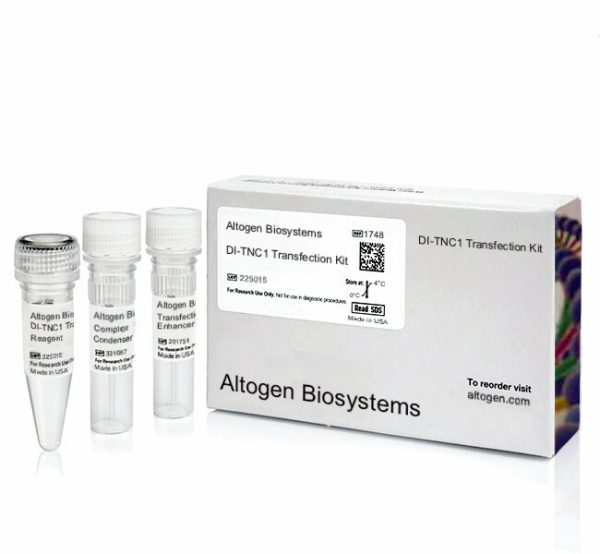
The DI-TNC1 Transfection Kit is designed specifically for efficient, low-toxicity gene delivery into DI-TNC1 rat astrocyte cells. These cells, derived from neonatal rat brain tissue, are commonly used as an in vitro model for studying astrocyte biology, gliosis, brain inflammation, and neuroprotective pathways. Because astrocytes play key roles in maintaining blood–brain barrier integrity, modulating synaptic activity, and regulating central nervous system homeostasis, transfecting DI-TNC1 cells allows researchers to probe gene function and signaling pathways involved in a wide range of neurobiological processes.
Altogen Biosystems developed this reagent system to overcome the challenges typically associated with transfecting glial-derived cells, which often exhibit poor uptake and increased sensitivity to chemical transfection. The DI-TNC1 Transfection Kit enables reliable delivery of plasmid DNA, siRNA, and mRNA into astrocytic cells, maintaining viability and cell morphology while achieving high transfection efficiency. The formulation is non-viral and ready to use, suitable for gene overexpression, knockdown, and CRISPR-related applications.
Relevance of Astrocyte Cell Models
Astrocytes are no longer viewed merely as passive support cells but are now understood to be central players in neurodevelopment, neuroplasticity, and neuropathology. DI-TNC1 cells serve as a stable, reproducible cell line that retains key astrocytic features such as GFAP expression, calcium signaling, and cytokine response profiles. These features make them especially useful for studying glial involvement in diseases like multiple sclerosis, traumatic brain injury, ischemic stroke, and gliomas.
Transfecting DI-TNC1 cells allows researchers to manipulate gene expression in pathways related to neuroinflammation, glutamate uptake, oxidative stress, and astrocyte–neuron communication. This capability supports both mechanistic studies and therapeutic screening experiments in neuroscience.
Applications in Brain Inflammation and Glial Research
DI-TNC1 cells are used widely in research on central nervous system inflammation, particularly due to their robust cytokine and chemokine responses to injury-mimicking stimuli. By introducing siRNA or expression constructs into these cells, researchers can examine how specific genes influence astrocyte activation, reactive gliosis, or neuroimmune modulation.
This kit supports gene silencing experiments targeting inflammatory mediators like IL-6, TNF-α, and NF-κB, as well as studies involving overexpression of neuroprotective factors or transcription regulators. It is also suitable for delivery of fluorescent proteins and biosensors, enabling live-cell imaging and real-time functional assays.
Nucleic Acid Compatibility
The DI-TNC1 Transfection Kit is compatible with several molecular payloads, including plasmid DNA for stable or transient expression, siRNA for targeted knockdown of gene expression, and synthetic mRNA for rapid protein synthesis without nuclear entry. These payloads can be used for a variety of applications including promoter activity analysis, intracellular signaling studies, and drug-response assays.
The kit supports co-transfection protocols, allowing the simultaneous delivery of multiple nucleic acids for more complex experimental designs. This flexibility makes it an efficient platform for both single-gene analysis and multi-target functional screening.
Advantages of Non-Viral Astrocyte Transfection
Transfection of astrocyte-derived cells often requires viral delivery methods due to their low proliferation rate and resistance to many chemical reagents. However, non-viral transfection methods such as this kit provide a safer, faster, and less immunogenic alternative. The DI-TNC1 Transfection Kit avoids genome integration and is ideal for experiments that require transient expression or temporary gene silencing without long-term genomic effects.
The ability to perform high-efficiency gene delivery without the need for lentiviruses or adenoviruses simplifies workflow and shortens preparation time, making it especially useful for academic and preclinical research settings.
Read More Information: DI-TNC1 Transfection Kit
Request Quote here: https://altogen.com/request-quote/
bEnd-3 Transfection Reagent (Brain Endothelioma)
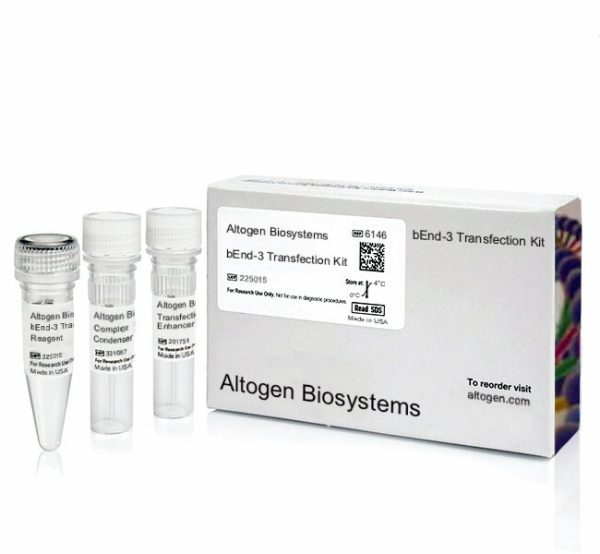
The bEnd-3 Transfection Reagent is a non-viral gene delivery system developed specifically for transfection of bEnd-3 cells, a mouse brain endothelial cell line commonly used to model the blood-brain barrier in vitro. These cells exhibit tight junction formation, high transendothelial electrical resistance, and expression of key endothelial markers, making them ideal for studying cerebrovascular permeability, transport mechanisms, and neurovascular interactions.
This reagent, offered by Altogen Biosystems, is optimized to deliver plasmid DNA, siRNA, or mRNA into bEnd-3 cells efficiently while minimizing cytotoxicity. Its lipid-based composition is tailored to the unique membrane properties of endothelial monolayers, allowing high transfection efficiency without compromising barrier integrity. It supports gene overexpression, knockdown, and genome editing applications relevant to blood-brain barrier research and neurovascular disease modeling.
Brain Endothelial Cells in Blood-Brain Barrier Studies
The bEnd-3 cell line is widely used as an in vitro model of the blood-brain barrier due to its ability to form polarized monolayers with tight junctions that resemble the brain capillary endothelium. These cells are employed to study molecular transport across the BBB, interactions with circulating immune cells, and endothelial responses to inflammation, hypoxia, and oxidative stress.
Gene transfection in bEnd-3 cells allows researchers to investigate the regulation of barrier function, efflux transporter expression (such as P-glycoprotein and BCRP), and the roles of tight junction proteins like claudins, occludins, and ZO-1. It also enables analysis of how endothelial cells respond to neurological disease signals, injury, or therapeutic agents.
Applications in Vascular and Neuroinflammatory Research
bEnd-3 cells are essential tools in preclinical research involving stroke, neuroinflammation, multiple sclerosis, and drug delivery across the BBB. By transfecting these cells with RNAi constructs or overexpression plasmids, researchers can study how gene modulation affects cytokine production, permeability regulation, and endothelial-matrix interactions.
The bEnd-3 Transfection Reagent supports experiments aimed at identifying key regulators of endothelial activation, leukocyte adhesion, and cytokine signaling. It is also suitable for delivery of fluorescent reporters or biosensors to monitor real-time changes in cell-cell junctions, cytoskeletal dynamics, or intracellular signaling cascades.
Compatible Payloads and Workflow
This reagent is compatible with several types of genetic material, including plasmid DNA for expression studies, siRNA for targeted gene knockdown, and mRNA for transient protein expression without nuclear entry. It also supports co-transfection of multiple nucleic acids, allowing for more complex experimental designs such as simultaneous knockdown and reporter expression.
The transfection protocol is scalable and works across multi-well plate formats, enabling both low- and high-throughput applications in endothelial biology, vascular pharmacology, and toxicology testing.
Advantages of Non-Viral Delivery for Brain Endothelial Cells
Chemical transfection of endothelial cells has traditionally been difficult due to their low proliferative activity and sensitivity to membrane disruption. This reagent addresses those limitations by providing a gentle, efficient, and reproducible method to introduce genetic material into cerebrovascular cells without the need for viral vectors.
Avoiding viral transduction reduces biosafety concerns and allows researchers to focus on transient expression studies, acute gene modulation, and short-term screening assays. This makes the bEnd-3 Transfection Reagent a practical and cost-effective solution for researchers working on the molecular mechanisms that maintain or disrupt the blood-brain barrier.
Read More Information: bEnd-3 Transfection Reagent
Request Quote here: https://altogen.com/request-quote/
SK-N-SH Transfection Kit (Neuroblastoma, HTB-11)
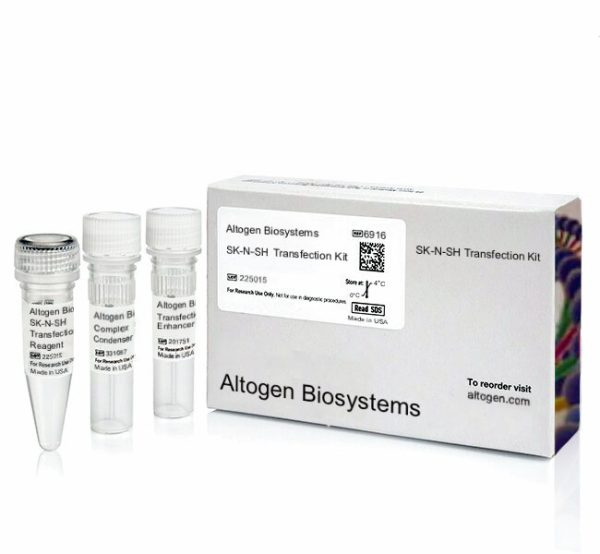
The SK-N-SH Transfection Kit is a non-viral gene delivery system optimized for the SK-N-SH neuroblastoma cell line (ATCC HTB-11), a widely used in vitro model for studying neuronal differentiation, pediatric brain cancer, and catecholaminergic signaling. This lipid-based formulation was developed to achieve high-efficiency transfection with low toxicity in these neuron-like tumor cells, which exhibit a mix of epithelial and neuronal phenotypes.
Manufactured by Altogen Biosystems, the SK-N-SH Transfection Kit supports the delivery of plasmid DNA, siRNA, and mRNA into SK-N-SH cells to facilitate gene overexpression, knockdown, and genome editing applications. It is suitable for research involving tumor biology, neurodevelopmental pathways, drug resistance, and neuronal gene regulation.
SK-N-SH Cells as a Model for Neuroblastoma and Neuronal Function
The SK-N-SH cell line is derived from a metastatic neuroblastoma of the central nervous system and retains features of both neuroblastic and epithelial cells. These cells express neuronal markers such as neuron-specific enolase (NSE), microtubule-associated protein 2 (MAP2), and tyrosine hydroxylase, making them an ideal model for neural crest-derived tumors and neuronal differentiation studies.
Transfecting SK-N-SH cells allows researchers to investigate key processes including apoptosis resistance, neuronal maturation, neurotransmitter metabolism, and oncogenic signaling. The cell line is particularly valuable for understanding how gene expression patterns shift during neural tumor progression or in response to therapeutic compounds.
Applications in CNS Oncology and Differentiation Studies
The SK-N-SH cell line is commonly used in neuro-oncology research focused on pediatric cancers such as neuroblastoma and medulloblastoma. By introducing genetic material using this transfection kit, researchers can manipulate genes involved in tumor growth, metastatic potential, and response to chemotherapeutic agents.
This kit also supports studies on neuronal plasticity and differentiation. When treated with agents like retinoic acid, SK-N-SH cells can adopt a more mature neuronal phenotype, and transfection experiments can be timed to coincide with specific differentiation stages. This makes the reagent a powerful tool for exploring neurodevelopmental gene regulation or modeling neurotoxicity.
Nucleic Acid Compatibility and Experimental Flexibility
The SK-N-SH Transfection Kit is compatible with a broad range of genetic payloads, including plasmid vectors for stable or transient expression, short interfering RNAs (siRNA) for gene silencing, and synthetic mRNA for rapid protein expression. It can also be used to deliver CRISPR-Cas9 complexes for gene editing studies targeting tumor suppressor genes, differentiation regulators, or signaling kinases.
The reagent supports co-transfection workflows, enabling researchers to deliver combinations of reporters, effectors, or regulators in the same experimental condition. This flexibility is important for multi-gene screening, dual-luciferase assays, and gene network analysis.
Non-Viral Gene Delivery in Tumor-Derived Neuronal Cells
Tumor-derived neuronal cells like SK-N-SH often resist conventional chemical transfection methods due to their heterogeneity and tumorigenic origin. The SK-N-SH Transfection Kit addresses this by offering a tailored, non-viral reagent that maintains high delivery efficiency without inducing excessive cellular stress.
By avoiding viral vectors, researchers eliminate concerns about insertional mutagenesis, long lead times, and immune activation, making this kit ideal for rapid, short-term experiments in gene function, cell viability, and drug response.
Read More Information: SK-N-SH Transfection Kit
Request Quote here: https://altogen.com/request-quote/
Neuro-2a Transfection Kit (Neuroblastoma, CCL-131)
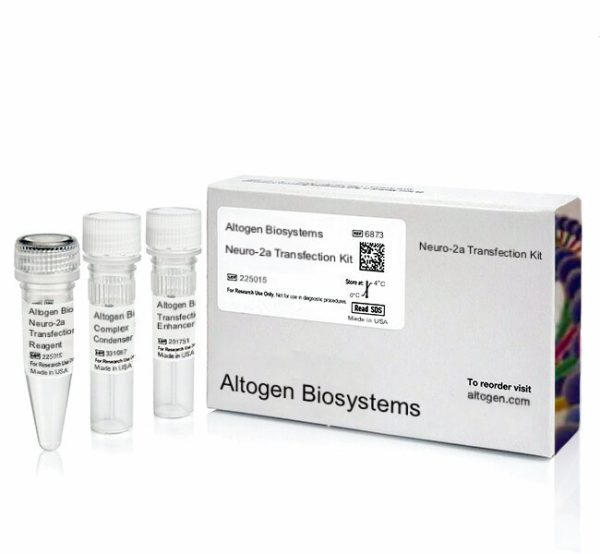
The Neuro-2a Transfection Kit is a specialized gene delivery reagent optimized for the Neuro-2a mouse neuroblastoma cell line (ATCC CCL-131), a widely used in vitro model for neuronal differentiation, neurotoxicity testing, and CNS drug discovery. Developed by Altogen Biosystems, this non-viral, lipid-based formulation provides high-efficiency transfection while preserving cell viability and neuronal morphology.
The reagent is designed to deliver a range of nucleic acid cargos—including plasmid DNA, siRNA, and mRNA—into Neuro-2a cells, enabling gene expression, knockdown, and genome editing studies. It is ideal for neuroscience research involving axonal development, signal transduction, neurodegeneration, and cancer-related pathways.
Neuro-2a Cells in Neurobiology and Oncology Research
Neuro-2a cells originate from a spontaneous tumor of the mouse neural crest and retain properties of immature neurons. They can undergo differentiation into neuron-like cells upon treatment with retinoic acid or serum withdrawal, making them a highly flexible system for investigating both proliferative and post-mitotic neuronal states.
Because of their dual identity as neuroblastoma and neuron-like cells, Neuro-2a is widely used in CNS-focused research. Studies involving neurite outgrowth, microtubule dynamics, ion channel regulation, and synaptic plasticity often use Neuro-2a transfection to introduce experimental constructs or silence gene targets. These cells are also valuable in neuro-oncology, where they serve as a model to examine oncogene function, chemotherapeutic response, and tumor suppressor pathways in neural tissue.
Applications in Differentiation and Neurotoxicity Assays
Transfection of Neuro-2a cells allows researchers to manipulate gene expression during neuronal differentiation and assess the impact of specific genes on morphological and functional maturation. The Neuro-2a Transfection Kit supports this by enabling efficient introduction of transcription factors, cytoskeletal markers, or fluorescence-based reporters into cells before, during, or after differentiation protocols.
In neurotoxicology studies, Neuro-2a cells are used to evaluate the cellular impact of neurotoxic compounds or environmental agents. Delivery of genes involved in oxidative stress responses, mitochondrial regulation, or apoptosis can help dissect molecular mechanisms underlying neuronal damage or resilience.
Compatible Genetic Payloads
The Neuro-2a Transfection Kit supports transfection of multiple nucleic acid types:
- Plasmid DNA for overexpression of structural or signaling proteins
- siRNA for targeted gene silencing of neural or cancer-related pathways
- mRNA for rapid, transient protein expression without requiring nuclear entry
It is also compatible with co-transfection protocols, allowing delivery of a gene of interest alongside a fluorescent reporter or control construct. The reagent performs consistently across different well formats, from 24-well imaging plates to larger culture dishes used in biochemical assays.
Advantages of Non-Viral Transfection in Neural Models
Unlike viral systems that require complex packaging and extended culture times, the Neuro-2a Transfection Kit offers a rapid and safe method for gene delivery without the risks of insertional mutagenesis or immune activation. This makes it particularly well-suited for time-sensitive experiments and short-term assays involving neuronal differentiation, toxicological screening, or gene function studies.
Its non-viral formulation minimizes cellular stress and preserves the integrity of neurite structures and membrane polarization, which are crucial for accurate interpretation of neuron-specific phenotypes.
Read More Information: Neuro-2a Transfection Kit
Request Quote here: https://altogen.com/request-quote/
SK-N-MC Transfection Kit (Neuroblastoma Cells)
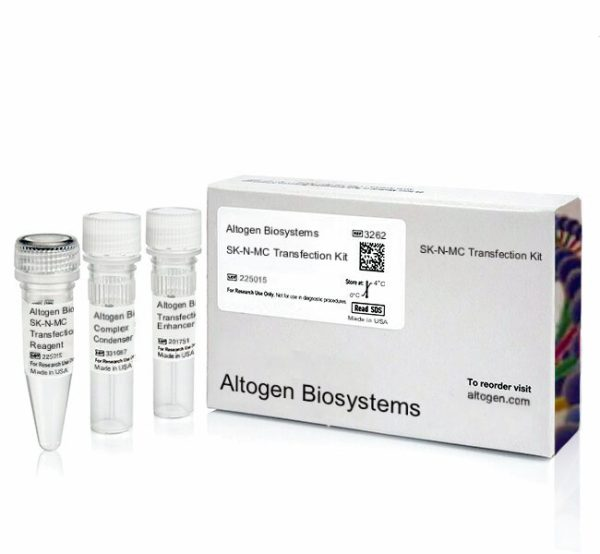
The SK-N-MC Transfection Kit is a non-viral gene delivery reagent tailored specifically for the SK-N-MC neuroblastoma cell line. This human-derived cell line, commonly used in neuroscience and oncology research, serves as a valuable model for studying neuronal differentiation, neuroblastoma tumor biology, and gene function in neuroectodermal tumors. Altogen Biosystems’ lipid-based transfection system enables efficient delivery of nucleic acids into these challenging cells with minimal cytotoxicity.
SK-N-MC cells exhibit characteristics of primitive neuroectodermal tumors, providing a relevant platform for investigating oncogenic pathways, cellular proliferation, and response to therapeutic agents. The transfection kit supports the introduction of plasmid DNA, siRNA, and mRNA, facilitating experiments in gene overexpression, silencing, and genome editing. This versatility allows researchers to probe molecular mechanisms underlying tumor progression, neuronal signaling, and cellular differentiation.
Characteristics of SK-N-MC Cells in Research
Derived from a human neuroblastoma, SK-N-MC cells possess properties that make them suitable for studying both cancer biology and neuronal function. They express markers typical of neural progenitors and demonstrate plasticity in differentiation status, which can be modulated experimentally. These cells are frequently employed in assays related to neuroblastoma metastasis, tumor microenvironment interactions, and gene regulatory networks involved in neuronal development.
Transfection in SK-N-MC cells enables the functional study of oncogenes, tumor suppressors, and signaling molecules. Gene manipulation in this cell line aids in elucidating pathways contributing to tumor cell survival, chemoresistance, and invasiveness. Moreover, the ability to deliver fluorescent reporters or biosensors supports imaging studies of intracellular processes and protein localization.
Applications in Neuroblastoma and Neuronal Gene Studies
The SK-N-MC Transfection Kit facilitates research targeting critical aspects of neuroblastoma biology, such as apoptotic regulation, cell cycle control, and differentiation therapy. By delivering siRNA or gene-editing tools, researchers can silence oncogenic drivers or modulate genes involved in neural lineage commitment. This capacity is vital for developing novel therapeutic strategies and understanding tumor heterogeneity.
In addition to oncology applications, SK-N-MC cells are used in neurobiological studies focusing on neurotransmitter synthesis, ion channel function, and synaptic protein regulation. Efficient gene delivery in these cells enhances the study of neuronal signaling pathways and neurodevelopmental disorders.
Non-Viral Gene Delivery for Tumor-Derived Neural Cells
Chemical transfection of SK-N-MC cells is challenging due to their origin and phenotype. The SK-N-MC Transfection Kit addresses these difficulties by providing a lipid-based delivery system optimized for high uptake efficiency and low toxicity in neuroblastoma cells. This non-viral approach circumvents the risks associated with viral vectors, such as insertional mutagenesis and immune responses, while offering a straightforward workflow suitable for rapid experimental turnaround.
The reagent’s compatibility with various nucleic acids and its reproducible performance make it an effective tool for gene function analysis, drug target validation, and screening applications within neuroblastoma and neural research fields.
Read More Information: SK-N-MC Transfection Kit
Request Quote here: https://altogen.com/request-quote/
SKNAS Transfection Kit (Neuroblastoma Cells)
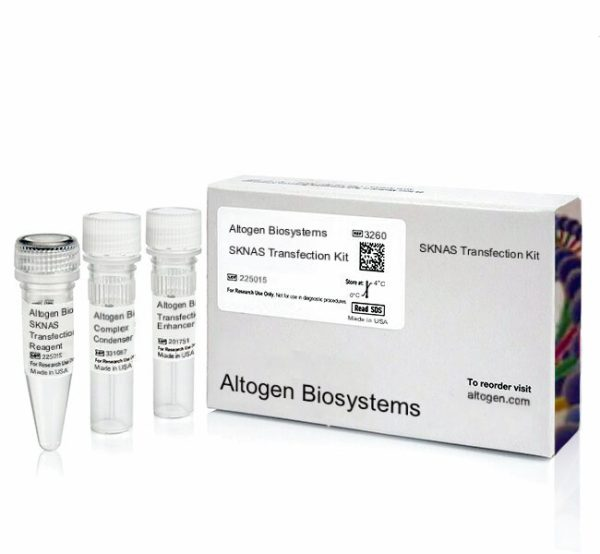
The SKNAS Transfection Kit is a non-viral gene delivery reagent designed specifically for efficient transfection of the SKNAS neuroblastoma cell line. Derived from human neuroblastoma tumors, SKNAS cells are widely utilized as a model to study tumor biology, neuronal differentiation, and oncogenic signaling pathways. Altogen Biosystems has optimized this lipid-based transfection reagent to achieve high delivery efficiency with minimal toxicity in these challenging tumor-derived neuronal cells.
The reagent enables the introduction of various nucleic acid cargos, including plasmid DNA, siRNA, and mRNA, facilitating gene overexpression, gene silencing, and genome editing experiments. Its formulation supports the study of gene function related to neuroblastoma progression, cell survival, metastasis, and neural development processes.
SKNAS Cells as a Model for Neuroblastoma Research
SKNAS cells possess characteristics representative of aggressive neuroblastoma phenotypes. They express markers typical of immature neuronal precursors and demonstrate the ability to proliferate rapidly while retaining potential for differentiation under certain conditions. These cells are employed extensively in research focused on neuroblastoma tumorigenesis, drug resistance mechanisms, and molecular signaling cascades involved in cancer progression.
Transfection of SKNAS cells allows researchers to manipulate key oncogenes, tumor suppressors, and signaling proteins. The ability to alter gene expression in this cell line supports investigations into pathways governing cell cycle regulation, apoptosis, and metastasis. Additionally, these cells are used to explore mechanisms of neuronal differentiation and plasticity relevant to developmental neurobiology.
Applications in Cancer Biology and Neurodevelopment
The SKNAS Transfection Kit supports studies aimed at understanding the molecular basis of neuroblastoma and related neural tumors. Researchers utilize this reagent to deliver siRNA for gene knockdown, plasmids for gene overexpression, or CRISPR components for targeted genome editing. Such manipulations help dissect the roles of genes involved in tumor growth, invasion, and therapeutic response.
Beyond oncology, SKNAS cells serve as a useful system for exploring neuronal signaling pathways and neurodevelopmental gene regulation. Efficient transfection expands the toolkit for functional genomics studies that investigate neurotransmitter synthesis, ion channel expression, and synaptic plasticity.
Advantages of Non-Viral Transfection in Tumor-Derived Neural Cells
Transfecting neuroblastoma cell lines like SKNAS poses challenges due to their heterogeneous and tumorigenic nature. The SKNAS Transfection Kit offers a lipid-based, non-viral alternative to viral vectors, providing safer and faster gene delivery with reduced risk of genomic integration and immune activation. This approach allows researchers to perform transient expression and gene silencing studies with ease and reproducibility.
The reagent’s optimized formulation ensures low cytotoxicity while maintaining cell viability and function, making it suitable for downstream analyses such as imaging, molecular assays, and drug screening.
Read More Information: SKNAS Transfection Kit
Request Quote here: https://altogen.com/request-quote/
HCN-1A Transfection Reagent (Brain Neuronal Cells)
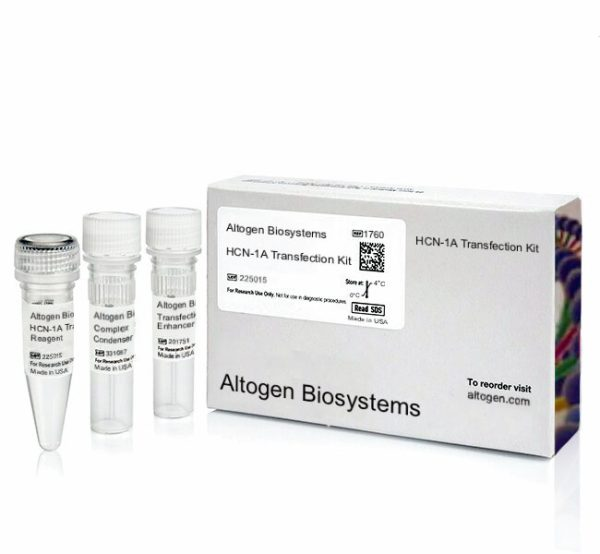
The HCN-1A Transfection Reagent is a non-viral gene delivery system formulated specifically for efficient transfection of HCN-1A human cortical neuronal cells. These cells serve as a valuable in vitro model for studying human brain cortex neuron function, ion channel activity, and neurodegenerative processes. Altogen Biosystems developed this lipid-based reagent to enable high-efficiency nucleic acid delivery with minimal cytotoxicity in these delicate, post-mitotic neuron-like cells.
This transfection reagent supports delivery of plasmid DNA, siRNA, and mRNA, facilitating gene overexpression, silencing, and editing studies in HCN-1A cells. Its optimized formulation ensures effective gene transfer while preserving cell viability and morphology, making it suitable for applications involving neurophysiology, synaptic signaling, and neuronal disease modeling.
HCN-1A Cells in Neuroscience Research
HCN-1A cells replicate key features of human cortical neurons, including expression of hyperpolarization-activated cyclic nucleotide-gated channels (HCN channels), which are important for regulating neuronal excitability and rhythmic activity. These cells are widely used to investigate the molecular mechanisms underlying cortical neuron development, excitability, and plasticity.
Gene delivery into HCN-1A cells allows detailed exploration of ion channel regulation, neurotransmitter receptor function, and intracellular signaling pathways. Transfection facilitates studies of gene mutations linked to neurodegenerative diseases such as Alzheimer’s and epilepsy, as well as screening potential neuroprotective therapies.
Applications in Neurodegenerative Disease and Electrophysiology
The HCN-1A Transfection Reagent enables researchers to manipulate gene expression in neurons to better understand neurodegenerative disorders and brain excitability. By delivering constructs that modify ion channel expression or function, investigators can examine the effects on neuronal firing patterns, synaptic integration, and network behavior.
The reagent supports RNA interference approaches to knock down disease-associated genes or overexpress proteins involved in synaptic transmission and neuronal survival. These capabilities make it a powerful tool for neuropharmacology, electrophysiological studies, and drug discovery targeting cortical brain function.
Compatibility with Diverse Genetic Materials
This reagent is compatible with multiple nucleic acid types, including plasmid DNA for gene expression, siRNA for gene silencing, and mRNA for rapid protein synthesis. It also allows co-transfection of multiple constructs, enabling complex experimental designs such as reporter assays combined with gene modulation.
The transfection protocol is adaptable to various culture formats and supports downstream applications such as imaging, biochemical analysis, and electrophysiological recording.
Benefits of Non-Viral Transfection in Neuronal Cells
Neuronal cells like HCN-1A are sensitive to transfection reagents, making efficient and low-toxicity delivery critical. This lipid-based reagent offers a non-viral alternative to viral vectors, avoiding risks such as genome integration and immune activation. Its gentle formulation preserves neuronal morphology and viability, essential for long-term functional studies.
The reagent’s ease of use and reproducibility make it suitable for academic and pharmaceutical research aiming to unravel molecular pathways in cortical neuron biology and disease.
Read More Information: HCN-1A Transfection Reagent
Request Quote here: https://altogen.com/request-quote/
CLBPEC Transfection Reagent (Neuroblastoma Cells)
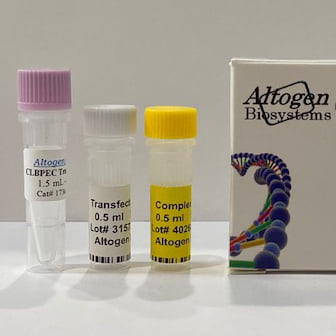
The CLB-PEC Transfection Reagent is a specialized, non-viral gene delivery system formulated for high-efficiency transfection of CLB-PEC neuroblastoma cells. Derived from human peripheral neuroblastoma, CLB-PEC cells are frequently used in research focused on pediatric cancer, neural crest biology, and neuronal differentiation. Altogen Biosystems developed this lipid-based reagent to overcome the inherent resistance of tumor-derived neural cells to chemical transfection, enabling reliable gene delivery with minimal toxicity.
The reagent supports the introduction of plasmid DNA, siRNA, and mRNA into CLB-PEC cells, making it suitable for gene overexpression, RNA interference, and CRISPR-based genome editing. Its design maintains cell viability and function post-transfection, facilitating downstream assays in molecular oncology, neurogenetics, and neuropharmacology.
CLB-PEC Cells in Neuroblastoma Research
CLB-PEC cells are a well-characterized model of aggressive neuroblastoma, a malignancy of the sympathetic nervous system most commonly found in children. These cells exhibit features of undifferentiated neural crest cells and are used to investigate oncogenic signaling, tumor progression, and resistance to chemotherapy. Their genomic instability and altered differentiation potential make them an informative platform for understanding cancer cell plasticity and therapeutic vulnerability.
Transfection of CLB-PEC cells allows researchers to study the roles of specific genes in neuroblastoma initiation and progression. It also supports investigations into transcription factors, growth factor receptors, and intracellular signaling cascades that regulate cell survival, apoptosis, and differentiation.
Applications in Pediatric Cancer and Neural Development
The CLB-PEC Transfection Reagent facilitates a broad range of experimental approaches for studying pediatric solid tumors and the molecular basis of neurodevelopmental disorders. Gene knockdown and overexpression experiments in these cells provide insight into developmental pathways that are disrupted during tumorigenesis.
This reagent is also useful for investigating responses to targeted therapeutics, exploring epigenetic regulation, and modeling gene-environment interactions in early-onset cancers. When combined with differentiation protocols or treatment with retinoic acid, transfection in CLB-PEC cells can help dissect the genetic control of cell fate transitions.
Compatibility with Genetic Tools and Assay Systems
This reagent is designed to deliver a variety of nucleic acid cargos into CLB-PEC cells. Plasmid DNA can be used to induce stable or transient gene expression, while siRNA enables gene-specific knockdown to assess function. mRNA delivery supports rapid protein production without nuclear localization, a valuable option for short-term studies or non-integrative gene expression.
The transfection protocol is compatible with multi-well formats and a range of downstream techniques, including immunocytochemistry, live-cell imaging, quantitative PCR, and flow cytometry. The reagent also supports co-transfection, allowing simultaneous delivery of multiple constructs for complex experimental designs.
Non-Viral Delivery for Tumor-Derived Neural Cells
Neuroblastoma cells are often difficult to transfect due to their tumorigenic nature, altered membrane composition, and stress sensitivity. The CLB-PEC Transfection Reagent offers a non-viral, low-toxicity alternative to lentiviral or AAV systems, eliminating risks related to genome integration and immune activation.
By streamlining genetic manipulation in CLB-PEC cells, this reagent provides researchers with a fast, safe, and effective tool to advance gene function studies, therapeutic screening, and systems biology research related to pediatric brain tumors and neural crest cell disorders.
Read More Information: CLBPEC Transfection Reagent
Request Quote here: https://altogen.com/request-quote/